
A well-designed backyard can serve as more than just outdoor space—it can become a functional extension of your home. With the right layout, features, and upgrades, you can create an environment that supports relaxation, entertaining, and everyday use. By approaching improvements with a clear plan, it’s possible to maximize both comfort and long-term value while making the most of every square foot.
Designing a Functional Outdoor Layout
Defining Zones for Relaxation, Dining, and Activity
A well-designed backyard starts with clear intent. Dividing the space into dedicated zones allows you to maximize usability while maintaining a cohesive layout.
Consider how you want to use the space—whether for entertaining guests, relaxing with family, or creating a play area. Each purpose should have its own designated section, which helps prevent overcrowding and ensures a more organized flow.
For example, a seating area with comfortable furniture can serve as a relaxation zone, while a separate dining space accommodates meals and gatherings. If space allows, adding an activity zone for games or gardening can further enhance functionality. Thoughtful zoning transforms a backyard from a single-purpose area into a versatile extension of your home.
Planning Around Existing Features and Landscaping
Before making any major changes, it’s important to assess what’s already in place. Trees, slopes, drainage patterns, and existing structures all influence how your backyard can be redesigned. Working with these elements rather than against them can save time and money while creating a more natural, integrated look.
Mature trees, for instance, can provide built-in shade and serve as focal points for seating areas. Uneven terrain can be addressed with tiered landscaping or retaining walls, adding visual interest while improving usability. By incorporating existing features into your design, you create a layout that feels intentional and balanced.
Incorporating Patios as a Central Gathering Space
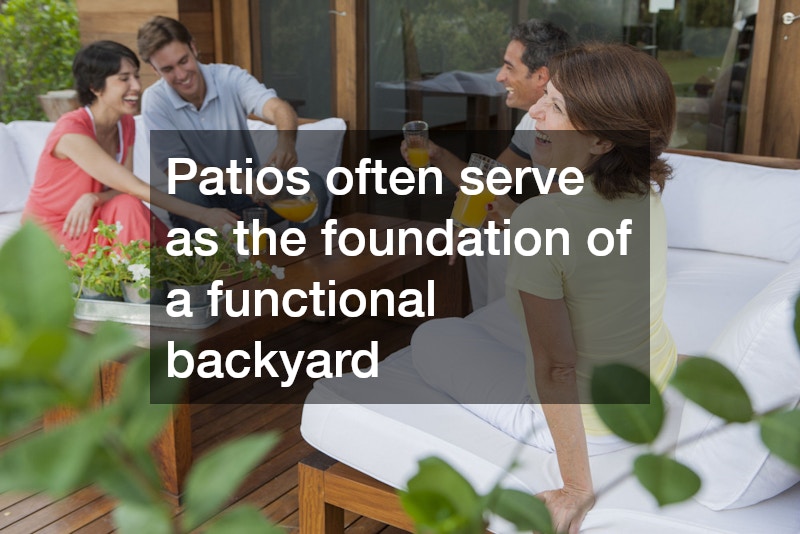
Patios often serve as the foundation of a functional backyard. They provide a stable, durable surface for seating, dining, and entertaining, making them a natural hub for outdoor activity. Choosing the right size, shape, and material ensures the patio complements both your home and your lifestyle.
Materials such as concrete, pavers, and natural stone each offer distinct advantages in terms of durability and appearance. The placement of the patio is equally important, as it should connect seamlessly with indoor living spaces. For homeowners seeking professional guidance, working with a local patio contractor can help ensure proper installation, drainage, and long-term performance.
Enhancing Comfort and Usability
Choosing Durable and Weather-Resistant Furniture
Outdoor furniture plays a significant role in how comfortable and inviting your backyard feels. Investing in durable, weather-resistant materials ensures that your furniture can withstand exposure to sun, rain, and temperature changes. Options such as aluminum, teak, and resin wicker are popular for their longevity and low maintenance.
Adding Shade Structures and Shelter Options
Shade is essential for making your backyard usable during warmer months. Without adequate coverage, even the most well-designed space can become uncomfortable. Structures such as pergolas, umbrellas, and retractable awnings provide relief from direct sunlight while adding architectural interest.
Permanent structures like covered patios or gazebos offer additional protection from the elements, allowing for year-round use. When selecting a shade solution, consider both functionality and aesthetics to ensure it integrates seamlessly with the overall design.
Improving Lighting for Evening Use
Lighting extends the usability of your backyard well into the evening hours. A combination of ambient, task, and accent lighting creates a balanced and inviting atmosphere. String lights, pathway lights, and wall-mounted fixtures can enhance visibility while adding a warm, welcoming feel.
Task lighting is particularly important for areas such as outdoor kitchens or dining spaces. Meanwhile, accent lighting can highlight landscaping features or architectural elements. A well-planned lighting scheme not only improves safety but also elevates the overall ambiance of the space.
Maximizing Value and Long-Term Appeal
Selecting Low-Maintenance Materials and Finishes
Choosing materials that require minimal upkeep is key to maintaining your backyard’s appearance over time. Low-maintenance options such as composite decking, sealed concrete, and weather-resistant finishes reduce the need for frequent repairs or replacements.
These materials are designed to withstand environmental exposure while retaining their appearance. Investing in quality upfront can lead to significant savings in both time and money over the long term. This approach ensures that your backyard remains functional and visually appealing with minimal effort.
Integrating Outdoor Kitchens, Fire Features, and Patios
Adding high-impact features can significantly enhance both the usability and value of your backyard. Outdoor kitchens, fire pits, and built-in seating areas create a more dynamic environment that supports a variety of activities. These elements encourage more frequent use and make the space suitable for entertaining.
Patios often serve as the base for these features, tying the entire design together. When thoughtfully integrated, these additions create a cohesive outdoor living area that feels like a natural extension of the home. Proper planning ensures that each element complements the others without overwhelming the space.
By focusing on thoughtful design, comfort, and long-term value, homeowners can transform their backyards into highly functional and enjoyable spaces. With careful planning and the right upgrades, it’s possible to create an outdoor environment that enhances both daily living and overall property appeal.