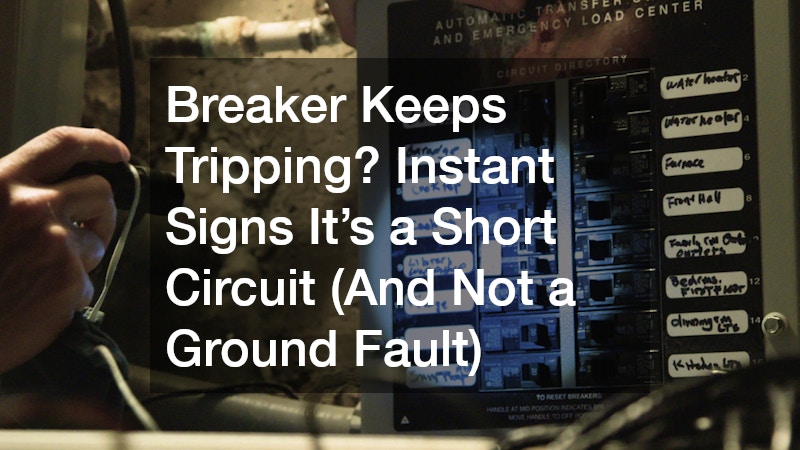

Highlights
- Learn the critical differences between a short circuit & a ground fault in your home.
- Spot the immediate signs of a short circuit before resetting your switchboard.
- Discover why an electrician should handle complex home wiring problems.
- Understand how hot outlets, burning smells & visible scorch marks point to danger.
- Prevent dangerous electrical fires by knowing when to call a professional electrician.
- Keep your Australian residence safe by using correct circuit identification steps.
A tripping circuit breaker is a frustrating hassle, but it’s fundamentally your switchboard’s way of keeping your property safe from fire. Knowing whether you’re dealing with an active short circuit or a ground fault makes all the difference when troubleshooting the issue safely.
If your safety switch or breaker shuts down power instantly upon reset, you’re likely facing a direct short circuit that requires immediate attention from an accredited electrician.
What’s the main difference between a short circuit & a ground fault?
A short circuit happens when a hot active wire touches a neutral wire directly, creating a massive surge of current through your system. In contrast, a ground fault occurs when an active wire comes into contact with a grounded portion of the junction box or an appliance’s earth wire. Both faults instantly trip your circuit breaker to protect your home, but short circuits generally unleash higher electrical energy and heat.
What are the instant signs that point to a short circuit?
You can identify an active short circuit almost immediately by paying attention to sensory cues and breaker behaviour. Looking for these distinct visual and physical signs will save you time and protect your household appliances:
- Instant breaker trips: The switch jumps straight back to the off position the second you try resetting it.
- Visible scorch marks: Dark discoloration, soot or melting appears around the affected power outlet or switch.
- Pungent burning odour: A strong smell of burning plastic or ozone lingers near the switchboard or wall socket.
- Pops & bright sparks: You hear a sharp popping sound or see a sudden flash when plugging in an appliance.
How can you test your home setup safely before calling an electrician?
You can isolate whether the fault stems from an appliance or fixed wiring without touching raw copper. First, unplug every single device connected to the tripped circuit, then attempt to reset the breaker at your main switchboard. If the safety switch stays on, you simply have a faulty appliance, but if it trips right away with nothing plugged in, call a licensed electrician immediately.
Why do short circuits happen so suddenly in Australian homes?
Short circuits usually occur when insulation degrades over time, exposing bare active wires to each other inside walls or power points. Rodents chewing through wiring inside roof cavities is an extraordinarily common cause across suburban Australian properties. Physical damage caused by hanging pictures, mounting televisions or plugging in overloaded power boards can also slice through internal wiring in an instant.
What risks are involved if you keep resetting a tripped breaker?
Repeatedly flipping a tripped switchboard toggle forces massive electrical currents to surge through damaged wiring over and over again. This continuous resistance generates intense heat, which quickly melts plastic insulation and easily ignites timber framing inside your wall cavities. If a circuit breaker refuses to stay engaged on your first attempt, forcing it to be held open can lead to catastrophic electrical fires.
When should you call a licensed electrician to inspect your property?
You should call a qualified professional immediately if a breaker trips instantly with zero appliances plugged into the circuit. Attempting DIY repairs on fixed household wiring in Australia is illegal, extremely dangerous and voids most standard home insurance policies. An experienced electrician will use specialised insulation resistance testers to locate the hidden fault safely behind your plasterboard.
How can you prevent short circuits & electrical faults in the future?
Preventing electrical emergencies requires a combination of regular maintenance and sensible power usage around the house. Implementing these simple daily practices will protect your family and extend the lifespan of your electrical infrastructure:
- Schedule regular switchboard inspections: Have a qualified professional check your safety switches & safety devices every few years.
- Avoid overloading power points: Never daisy-chain multiple power boards together or plug high-wattage appliances into single outlets.
- Inspect cords & appliances frequently: Discard frayed extension leads, damaged chargers & appliances with loose plugs.
- Upgrade ageing wiring systems: Replace outdated rubber or cotton insulation with modern, high-grade cables.
Understanding the difference between an intense short circuit and a standard ground fault keeps your family safe and prevents costly structural damage. While simple troubleshooting like unplugging appliances is completely fine, complex active faults behind walls require expert diagnostic tools and training. If you suspect an active short in your system, leave the breaker in the off position and contact a local licensed electrician right away.
Authoritative Sources
- Learn more about electrical safety and compliance standards from Energy Safe Victoria at https://www.esv.vic.gov.au/
- View official national guidelines on switchboards and safety switches at Master Electricians Australia via https://www.masterelectricians.com.au/
- Explore consumer electrical safety guidance provided by SafeWork NSW at https://www.safework.nsw.gov.